
Let your product packaging do the talking.
Product packaging has been around since before we had a consumer goods market. The first ever man-made package was created in ancient Egypt from glass water pots. Clearly, product packaging has evolved quite a bit since then, including its role in marketing: it offers brands a way to make a strong first impression and “win at the shelf.”
A product’s package serves several purposes, such as protecting the product and offering information to shoppers. There’s a strategy involved in choosing packaging: brands need to consider key functions that mean package design is in constant flux:
- Packaging costs
- Shipping costs
- Ease of transport
- Preservation and sustainability
- Environmental concerns
Packaging has come a long way since ancient Egypt, and even in the last 100 years or so. We attribute the accelerating importance of product packaging in marketing to two things:
First, competitive and similar products started hitting market shelves, giving consumers more brand options. Healthy competition ushered in the need for good branding, including visuals, quality, price, and messaging.
And second, industrial innovations in mass production and distribution fueled the consumer goods market. Companies had more options at their disposal to produce their products and packaging, and could do so cost-effectively.
With more reach and more choice, the way a product looks on the shelf gained the power to influence consumer buying patterns.
That power is still at play today. The biggest advertising opportunity for any consumer good is not paid media, television, digital ads, or radio, but rather the first impression when consumers are in buying mode and see your product on the shelf. It’s the best space to maintain a competitive advantage, get discovered, and even survive.
This is called winning at the shelf—it’s something every successful brand understands.
So what is winning at the shelf?
We define winning at the shelf as achieving the best combination of product placement and visibility within a retail store in a way that stands out against your competitors. If a consumer knows nothing else about your brand, a product with a strong appearance is enough to convince them to buy.
Essentially, you win trust and sales at the shelf.
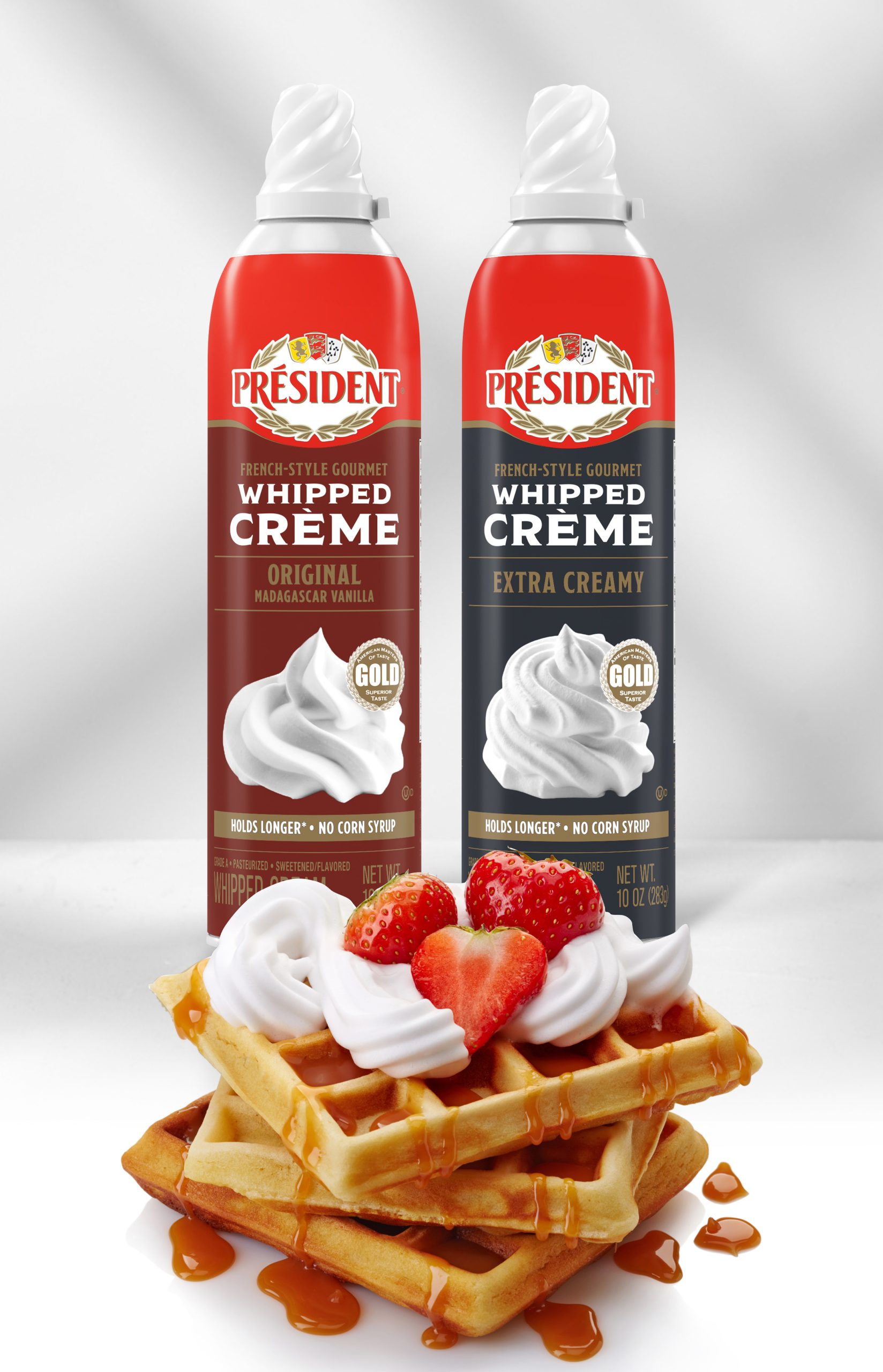
What are all of the elements of winning at the shelf?
Winning at the shelf combines several key features that help more products land in more carts. These include:
- A wow factor. Shoppers should notice something unique about your packaging.
- Stealing attention. Consumers should recognize your brand’s product before others in its category.
Impact. Make your product worthy of a longer look, such as pulling the product off the shelf to read its description. - Value proposition. Visually explain why a shopper should buy your brand.
You have just seven seconds to make a first impression, and since people process visuals faster than text, your package design stands to give you the biggest competitive advantage.
Who needs to win at the shelf?
Brands in electronics, grocery, health and beauty, paper goods, and other consumables can benefit from a “win at the shelf” approach. Regardless of industry, there are a few key instances where winning at the shelf is the most critical.
- Crowded marketplaces. Verticals and product categories that are extremely competitive can gain an edge with product appearance.
- New industries or product types. New products that people have never seen before may need to be introduced uniquely.
- New companies. Unique package design can build recognition and trust for unknown brands.
- Once-popular products. Existing products that are losing market share can re-engage their audience with new packaging.
Needs will vary by company, industry, and product, but the idea remains the same: capture immediate interest, pique curiosity, and turn shoppers into customers, all with your product packaging.
How to win at the shelf
Winning at the shelf is a blend of art and science. Your product doesn’t need to scream at the top of its lungs; it simply needs to say something meaningful.
Your packaging can “speak” in several ways, regardless of your industry or product. Its greatest talking points will include the following:
- Create a unique package design. Think of something that hasn’t been done before in terms of size, shape, and features.
- Be different. Do something your competitors aren’t doing to distinguish your product from theirs.
- Be the same. This sounds contradictory, but being too bold can make your product obscure to shoppers looking for a specific item; lean into the expectations and norms of your industry and product class.
- Lean into trends. Consider what consumers are passionate about now in your space (e.g., eco-friendly materials, geometric patterns, nostalgic designs).
- Don’t overestimate attention spans. The average consumer’s attention span is short, so make sure you can get your point across quickly and concisely.
- Use package real estate wisely. Be selective about the details you include on the package; they should offer enough information about the product without overselling it or creating too much clutter.
Consumers don’t have to know your brand reputation and values or the quality of the product inside to make a purchase decision at the shelf. They simply need to be intrigued enough to want to know more.
Start winning at the shelf
Ultimately, winning at the shelf is critical, as is continuing to win at the shelf. Your packaging strategy should continually adapt and innovate to stay fresh. Pushing the boundaries of creativity and doing something that’s never been done is a bold move that can pay off in short-term sales—and eventually, long-term loyalty.