
In an aisle flooded with countless snack bags or frozen dinners, packaging becomes your brand’s voice, personality, and visual sales pitch. But designing retail food packaging that turns heads is about more than choosing eye-catching colors and bold fonts; it’s about balancing strict, legal guidelines with compelling, “must buy” appeal on extremely limited real estate.
In this post, we’ll show you how to navigate tricky packaging requirements while crafting designs not only grab attention but quickly turn browsers into buyers.
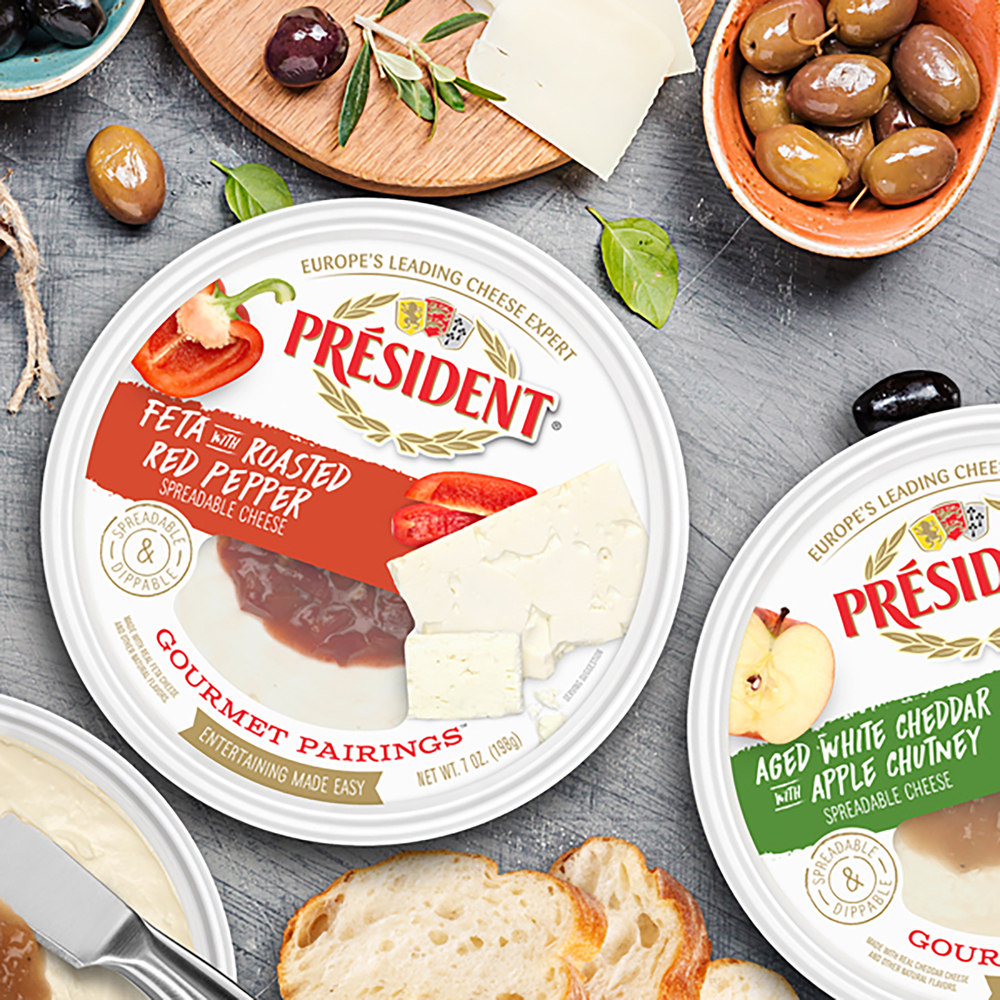


Your Product’s Unique Selling Points: Standing Out on Crowded Shelves
In today’s crowded marketplace, capturing consumer attention requires packaging that highlights your product’s unique attributes and clearly communicates its value instantly and effectively.
When identifying your unique selling points, consider these key areas:
Brand Identity
Your logo, slogans, color palette, and even typography all contribute to how quickly your product is recognized, and recognition is key. Think about the most iconic and widespread brands on the market: Coca Cola’s vibrant, distinctive red; Oreos’ bold and unmistakable blue-and-white scheme. A cohesive and memorable brand identity creates an immediate connection with customers.
Product Highlights
Today’s shoppers seek products tailored to their personal lifestyles or unique dietary needs. Clearly communicate stand-out features like “Organic,” “Gluten-Free,” “Plant-Based,” “Locally Sourced,” or “High-Protein.” These labels will instantly appeal to niche markets and health-conscious consumers, giving your product a distinct and valuable edge.
Quality & Trust Indicators
Certifications and quality seals, such as “Made with Real Fruit,” Fair-Trade Certified,” and “Non-GMO,” aren’t just attractive additions; they’re powerful indicators of your brand’s commitment to quality and transparency. Consumers may use these markers as shortcuts for trust, which will instantly boost your brand’s “shelf cred.”
Visual Storytelling
Concise messaging and a compelling visual narrative can speak volumes in mere seconds. Consider how evocative imagery, clever taglines, or a clean, minimalist design can quickly communicate taste, freshness, or even indulgence. Effective visual storytelling allows your product to resonate emotionally, weaving a three-second spiel that turns curious browsers into confident buyers.
Food Packaging Requirements: Let’s Talk Legalities
When designing packaging for retail food products, the first hurdle your creativity will face are the legal regulations. These rules are non-negotiable—they protect consumers, preserve brand trust, and help prevent costly recalls. While compliance might seem daunting at first, thoroughly understanding the ins-and-outs can save your company from unnecessary headaches (and fines) down the road.
Both the FDA (Food and Drug Administration) and USDA (United States Department of Agriculture) enforce clear—and strict—guidelines that your packaging must adhere to.
Key requirements include:
Striking the Perfect Balance
So, here’s the challenge: with limited packaging space, how will you neatly fit all of the required legal details while showcasing the irresistible selling points that compel customers to reach for your product first? It’s all about striking a strategic balance—making every inch count without overwhelming your customers with information. Below are some of our tried-and-true strategies to hit that sweet spot.
Prioritize Essentials First
Begin by clearly listing every legally required element. These details—nutrition facts, ingredient lists, serving instructions—are non-negotiable and must be included in your design prominently and clearly. Establishing these essentials first will help ensure your product remains compliant from the start.
Clearly Define Differentiators
Next, take some time to highlight your product’s unique selling points. What features sets it apart from the competition? Is it sustainably packaged, rich in protein, or family-owned? Maybe it was born from an inspiring backstory—created to address an unmet need or offer a fresh alternative in a crowded marketplace. By clearly defining these differentiators early on, you set the foundation for effective visual storytelling.
Maximize Visual Hierarchy and Readability
Strategic use of fonts, sizes, colors, and layout guides customers intuitively through your packaging. Larger or bolder text can be used to highlight important product features, while careful placement of legal details on side or back panels keeps vital information accessible without disrupting front-facing aesthetics.
Simplify to Amplify
As the time-tested saying goes, “Less is more.” Avoid clutter by reducing unnecessary wording, using icons or symbols for quick visual reference, and choosing concise messaging. The more quickly customers can understand your product’s value, the more likely they are to snag it from the shelf.
Making the Most of Your Packaging Space
Every square each counts—literally. Once you’ve identified mandatory and priority marketing elements, reassess your layout. Ask yourself the hard-hitting questions, like:
- Can nutritional information be simplified further, or potentially moved to a side or back panel to maximize space?
- Could critical product benefits stand out on the front panel without clutter?
- Are there minimalistic design elements or visual cues that communicate effectively without the need for words?
It is important to note that effective retail packaging is not about “adding more,” it’s about maximum impact and clarity. Great design doesn’t overwhelm the buyer; it guides the eye effortlessly through essential details and enticing highlights.
Why Professional Packaging Design Pays Off
Navigating the complexities of retail food packaging isn’t easy, even for seasoned brand managers. Partnering with professional, well-versed packaging design agencies streamlines the process significantly. These teams expertly blend compliance with creativity, ensuring your product consistently meets legal standards as it gracefully flies off the shelf.
When every decision impacts your bottom line, expert insights are invaluable.
Of course, creating effective retail food packaging requires much more than checking boxes on an FDA checklist: It requires strategic balance, thoughtful design, and clarity of messaging. By prioritizing legal requirements while spotlighting what makes your brand unique, you’ll craft packaging that dazzles while genuinely resonating with your target audience.